Best Protective Film Solutions for Automotive Painting and Coating Processes
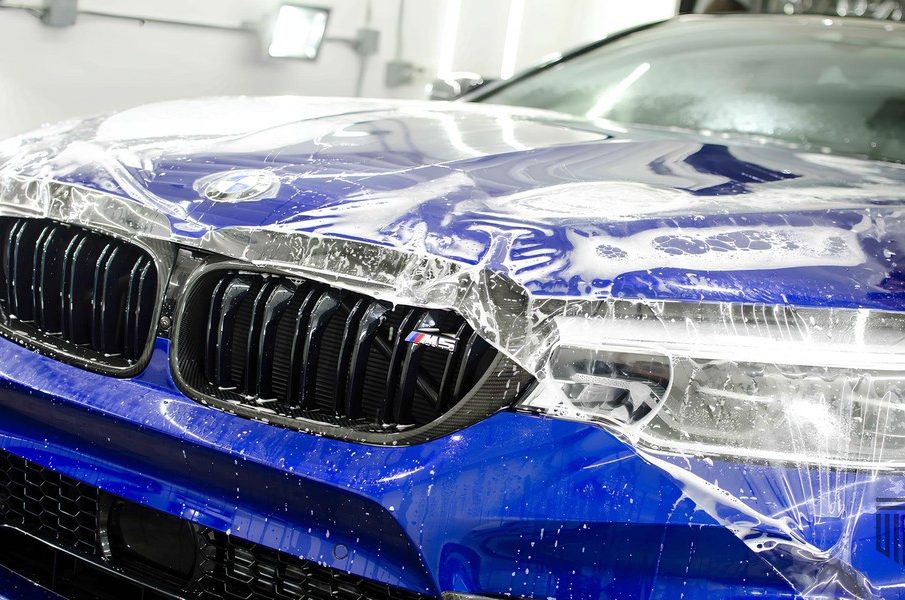
In modern automotive manufacturing and refinishing, achieving a flawless paint finish is not just about high-quality coatings-it also depends heavily on effective surface protection.
Protective films play a critical role throughout painting and coating processes by preventing contamination, controlling overspray, and preserving surface integrity.
From masking films to advanced paint protection films (PPF), selecting the right solution can significantly improve efficiency, reduce rework, and ensure premium results.
The Role of Protective Films in Automotive Painting
Automotive paint systems typically consist of multiple layers, including primer, basecoat, and clearcoat, each requiring precise application conditions. automotive paint layering system processes demand clean, controlled environments to avoid defects such as dust inclusion, overspray, or uneven coating.
Protective films are used to isolate areas not being painted and to shield sensitive surfaces. Their primary functions include:
- Preventing paint overspray contamination
- Protecting adjacent panels, trims, and glass
- Maintaining clean edges and sharp paint lines
- Reducing post-process cleaning and repair costs
Without proper masking and protection, even minor contamination can lead to costly rework and compromised finish quality.
Key Types of Protective Film Solutions
1. Automotive Masking Film
Masking film is one of the most widely used protective materials in paint shops. Commonly manufactured from high-density polyethylene (HDPE), it is engineered to efficiently cover large vehicle surfaces in a short time.
Key features:
- Excellent resistance to paint penetration
- Corona-treated surfaces that attract overspray and prevent flaking
- High tear and puncture resistance
- Available in multiple widths for full-body coverage
Advanced versions, such as breathable masking films, can absorb moisture and reduce “ghost marking” during baking cycles, improving finish consistency.
Masking films are ideal for protecting large surfaces like roofs, doors, and windshields during spray painting operations.
2. Masking Tape + Film Systems
Masking films are often used in combination with specialized masking tapes to achieve precise results.
Key benefits:
- Sharp paint separation lines between colors
- Strong adhesion with clean removal (no residue)
- High temperature resistance for curing cycles
- Flexibility to conform to complex vehicle shapes
Professional-grade masking tapes must withstand temperatures up to 90-110°C during drying while maintaining adhesion and easy removal.
This combination is essential for multi-color designs, detailing work, and repair refinishing where precision is critical.
3. Surface Protection Films (Temporary)
Temporary surface protection films are applied before or after painting to protect coated surfaces during handling, assembly, and transportation.
Applications include:
- Post-paint protection in manufacturing lines
- Shielding panels during polishing or inspection
- Preventing scratches during logistics and installation
Automotive manufacturers rely heavily on these films to maintain surface quality from production to dealership delivery.
4. Paint Protection Film (PPF)
Paint Protection Film (PPF) is a durable, high-performance thermoplastic urethane film applied after painting to safeguard finished surfaces.
Key advantages:
- Self-healing properties for minor scratches
- Long-term resistance to chips, abrasions, and contaminants
- Optical clarity that preserves appearance
- Hydrophobic and UV-resistant top layers
PPF is widely used on high-impact areas such as hoods, bumpers, and side mirrors to extend paint life and maintain aesthetics.
Key Performance Criteria for Selecting Protective Films
When choosing protective film solutions for automotive painting and coating, several technical factors must be considered:
1. Heat Resistance
Films must withstand curing temperatures without shrinking, melting, or leaving residue.
2. Adhesion Balance
Optimal adhesion ensures films stay in place during spraying but can be removed cleanly afterward.
3. Overspray Retention
Corona-treated surfaces help trap paint mist, preventing contamination and rework.
4. Conformability
Films and tapes must adapt to complex curves, edges, and contours of vehicle bodies.
5. Clean Removal
Residue-free removal is critical to avoid additional cleaning steps and surface damage.
Emerging Trends in Automotive Film Solutions
The automotive industry is evolving toward higher efficiency and sustainability, and protective films are advancing accordingly:
- Eco-friendly materials: Reduced solvent emissions and recyclable film options
- Multi-layer functional films: Combining protection, anti-static, and anti-contamination properties
- Pre-taped and pre-folded systems: Faster application and reduced labor costs
- Smart films: Enhanced durability and compatibility with automated paint lines
These innovations align with the growing demand for high-quality finishes and streamlined production processes.