
How Often Should You Service a Used Car After Buying It?
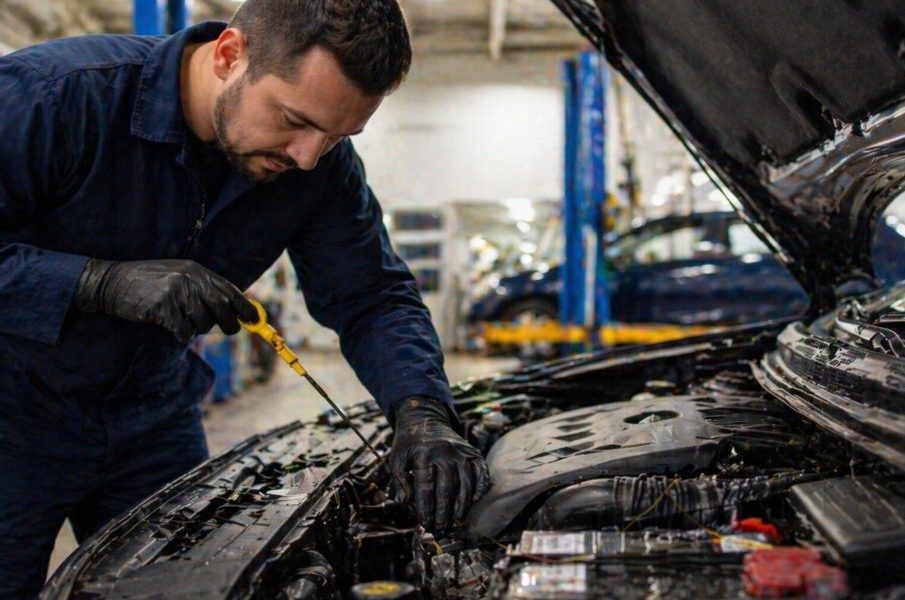
When someone buys a used car, one of the first questions that usually comes up is pretty simple: how often should I service it now? I get why people ask. A used car is different from a brand-new one. It already has miles on it. It has a history. Even if it looks clean, drives smoothly, and passed an inspection, you still want to know how to keep it reliable.
From the point of view of someone who works around used cars every day, I can say this clearly: the smartest thing you can do after buying a used car is not wait for a problem. Start with a service plan early. That does not mean you need to panic or spend money on everything at once. It just means you should treat the first few months of ownership as the time to learn the car, catch up on anything it needs, and build a routine before wear turns into repair bills.
Start With a Full Check Soon After Purchase
A used car should usually be serviced shortly after you buy it, even if it seems fine. Honestly, this is where many owners go wrong. They assume the car feels good, so it must be good. Sometimes that is true. Sometimes it is not.
The first service visit should happen within the first few weeks, or within the first 500 to 1,000 miles if you are driving it right away. This first visit is not always about fixing a problem. It is about creating a baseline. You want to know the current condition of the oil, brakes, tires, filters, battery, belts, hoses, and fluids. You also want to know whether the car is truly up to date on routine maintenance or only seems that way.
That first check gives you a clearer picture of what you bought and what it may need next.
Follow the Owner’s Manual, But Be Realistic
The best long-term answer to how often you should service a used car is this: follow the manufacturer’s schedule, but adjust it for the car’s age, mileage, and condition.
The owner’s manual is still useful, even on an older vehicle. It gives recommended service intervals for oil changes, transmission service, coolant, spark plugs, brake fluid, and other key items. But a used car may need a little more attention than the schedule suggests, especially if it was not maintained perfectly by the last owner.
If a car has high mileage, has sat unused for a while, or has an incomplete service history, it often makes sense to service it a bit sooner rather than later. Waiting for the full interval on paper may not always be the safest move.
Oil Changes Matter More Than People Think
If there is one service that matters most after buying a used car, it is the oil change. Even if the seller says it was just done, many owners still choose to change the oil early for peace of mind. I think that is a smart move.
After that, most used cars should have the oil checked regularly and changed based on the vehicle type, the oil being used, and driving habits. Some cars can go longer. Some really should not. Short trips, heavy traffic, heat, towing, and older engines can all justify more frequent oil changes.
A lot of major engine trouble starts with neglected oil. It seems basic, maybe too basic, but it matters.
The First Year Is When Patterns Show Up
After the first inspection and service, a used car should usually be checked on a regular schedule throughout the first year. This is the period when you start noticing patterns. Maybe the tires wear unevenly. Maybe the battery gets weak. Maybe the brakes were acceptable at purchase but now feel softer than they should.
In that first year, routine service often includes:
- oil and filter changes
- tire rotation and tire pressure checks
- brake inspections
- fluid level checks
- battery testing
- filter replacement
- alignment or suspension review if the car pulls or rides unevenly
You do not always need major work. But regular checks help you avoid being surprised.
Mileage Still Matters, But So Does Time
People often focus only on mileage, and that makes sense, but time matters too. A used car that is driven very little can still need service. Fluids age. Tires dry out. Batteries weaken. Rubber parts crack. A car that sits too much can develop issues just like a car that is driven hard.
That is why many service items are based on either mileage or time, whichever comes first. If you barely drive, you should still keep up with inspections and fluid service based on calendar time. It is easy to overlook that.
Pay Attention to the Car’s History
Not all used cars need the same service schedule. A one-owner car with detailed maintenance records is different from a car with patchy history and higher miles. That history changes how cautious you should be.
If records show that the last owner recently replaced brakes, serviced the transmission, changed the coolant, and kept up with oil changes, that is great. You may only need normal follow-up service. But if history is missing or unclear, I would lean toward a more proactive approach. In those cases, it is often worth catching up on fluids, inspections, and basic wear items sooner.
It is better to spend a little early than a lot later.
Watch for Signs Between Service Visits
A used car does not always wait for a scheduled appointment to tell you something is wrong. Owners should watch for changes in how the car feels, sounds, and drives.
Things like rough starting, weak acceleration, brake noise, fluid spots, warning lights, vibrations, or changes in fuel economy should not be ignored. Those signs do not always mean a major repair is coming, but they do mean the car needs attention sooner rather than later.
One of the best habits a used car owner can build is simply noticing small changes early.
A Good Rule of Thumb
If someone asked me for a simple rule, I would say this: service a used car soon after buying it, then keep it on a steady maintenance schedule based on the manual, the mileage, and the car’s condition. Do not wait for something to break. Do not assume the previous owner handled everything. And do not treat a used car like it needs less care just because it is already older.
Actually, older cars often need more consistent care, not less.
Final Thoughts
A used car can be a smart buy. It can save money, hold value well, and give you years of dependable service. But that usually happens when the owner stays ahead of maintenance instead of reacting to problems after they show up.
So, how often should you service a used car after buying it? Start early, check it regularly, and adjust the schedule to the car you actually have, not the one you hope you have. That mindset usually leads to fewer surprises, lower repair costs, and a much better ownership experience over time.
This post was written by a professional at Redemption Auto Sales. Used Car Lots In Largo FL is a trusted used car dealership located at 11001 Seminole Blvd in Largo, FL. Serving Pinellas County, they offer a wide selection of quality used cars, trucks, SUVs, and vans. As a certified Carfax dealer, every vehicle comes with a detailed history report. They provide flexible financing, accept trade-ins, and are committed to a hassle-free, no-haggle buying experience. Visit 200autos.com or call (727) 200-2468 to learn more.