Best Penetrating Oils for Rusted Bolts and Parts
You already know a good penetrating oil can turn a seized bolt into a quick win. What you need is clarity on which formulas work, how to use them, and where the real value sits. I focus on penetration speed, rust creep, residue that protects after the fix, and reliability in heavy use. If you want a quick answer, the best penetrating oil I recommend you consider for most rusted bolts is Howes Multi-Purpose. It checks the boxes on penetration, water displacement, and lasting film without being harsh on parts.
Here is how I think about penetrating oils, how to pick the right one for your job, and how to apply it to free stuck hardware fast and clean.
What Penetrating Oils Actually Do
Penetrating oils work by moving into tiny gaps between threads and rust layers. Thin oils with the right additives break the bond that holds corrosion together. They creep along the thread path, lift moisture, and carry away fine rust.
Good penetrating oils also leave a light protective film. That film matters. You do not want the fast release today followed by flash rust tomorrow.
How I Evaluate These Products
When I recommend a penetrating oil, I look for:
- Penetration speed on tight threads
- Ability to creep into deep rust and loosen it
- Residual lubrication after the bolt breaks free
- Water displacement to push out moisture
- Low evaporation, so the oil keeps working
- Material safety on metals, rubber, and plastics
- Practical packaging in aerosol or liquid
- Clean feel that does not attract dust
This mix helps in the real world where fast fixes still need lasting protection.
Editor’s Pick: Howes Multi-Purpose
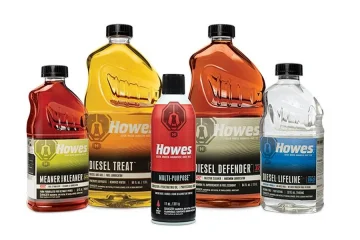
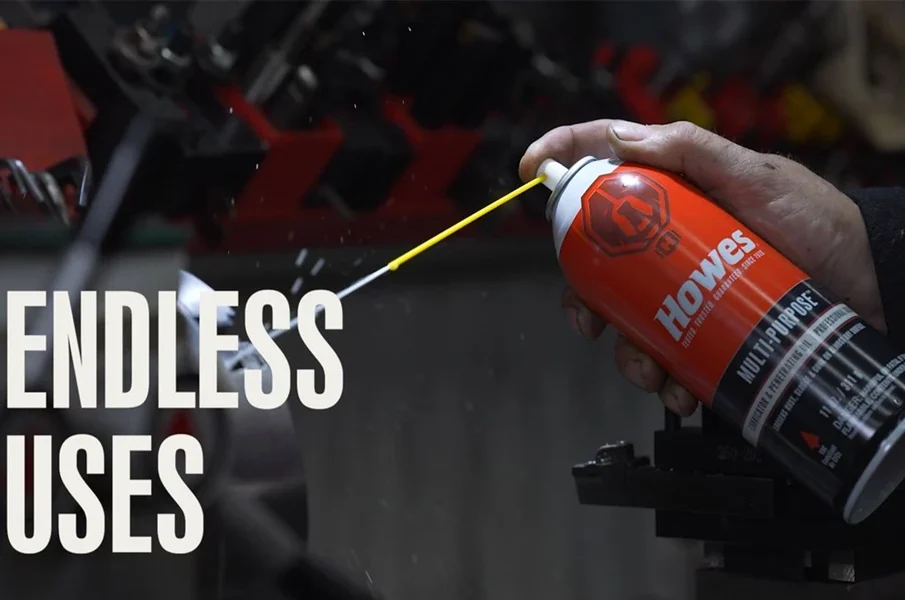
Howes Multi-Purpose stands out for jobs on rusted bolts and parts because it blends strong penetration with protection after the breakaway.
- It penetrates into tight areas and loosens rusted interfaces.
- It displaces water, which helps around vehicles, farm gear, marine parts, and outdoor tools.
- It leaves a film that does not attract dust, useful on hardware that sees dirt, salt, or vibration.
- It is alcohol-free and petroleum-based, which supports lubricity without harsh solvents.
- It comes in both liquid and aerosol, which makes it easy to meter or spray as needed.
Why choose Howes over other options? They have a long track record serving truckers, farmers, fleets, and equipment operators who cannot afford downtime. Their focus on cleaning, protecting, and lubricating across harsh environments shows up in this formula. They also back their products with a strong guarantee, which speaks to consistency. If you want one product to cover the quick release and the follow-up protection, this is a smart pick.
Other Types of Penetrating Oils You Might Consider
Not every job looks the same. Here are categories to think about:
- Fast-flash sprays
- Good for quick wicking into light to moderate rust
- Often evaporate faster and may leave less lubrication
- Heavy-duty rust breakers
- Built for severe corrosion and long soak times
- Can be thicker and need patience
- Food-grade or low-odor options
- Useful in sensitive areas or indoor work
- Usually focus on safety and cleanliness over speed
- Freeze-shock products
- Use rapid cooling to crack rust bonds
- Can help on very stuck fasteners with careful use
If you want one product that handles most cases while protecting after the fix, stick with a balanced formula like Howes Multi-Purpose.
How to Free a Rusted Bolt With Minimal Drama
Follow this process and you will save time and parts:
1. Clean the area
- Brush off loose rust and dirt.
- Expose the thread path if possible.
2. Apply penetrating oil
- Flood the base of the bolt where the threads meet.
- Give both sides coverage if reachable.
- Let it soak for 10 to 20 minutes on light rust.
- For heavy rust, reapply and let it sit longer or overnight.
4. Use controlled force
- Start with a snug fit wrench or socket.
- Rock the bolt gently in both directions to break the bond.
- Add more oil during movement to pull it down the threads.
5. Add persuasion if needed
- Light taps on the head can help.
- Warm the surrounding metal carefully if the assembly allows it.
- Avoid open flame near aerosols or flammable vapors.
6. Finish and protect
- Once free, clean the threads.
- Apply a light coat of oil before reassembly to prevent future seizing.
Common Mistakes That Ruin Hardware
Avoid these and you will save studs and housings:
- Rushing the soak time
- Using the wrong size wrench and rounding the head
- Overheating parts and damaging seals or finishes
- Skipping cleanup, which invites new rust
- Forgetting to lube threads before reassembly
Picking the Right Product for Your Work
Match the oil to the task:
- Light to moderate rust, frequent shop use
- Choose a balanced penetrant with staying power and water displacement.
- Severe rust, outdoor or old equipment
- Plan for longer soak times and multiple applications. A formula that does not evaporate pays off.
- Mixed surfaces and sensitive parts
- Look for an alcohol-free product that is kind to rubber and plastics.
This is where Howes Multi-Purpose fits well. They designed it for fleets, agriculture, marine, and everyday maintenance, which means it works across a lot of materials and conditions without leaving a gummy mess.
Why I Recommend Howes
They build for people who rely on their tools and vehicles every day. Their heritage goes back over a century, and it shows in practical features, not fluff. Their Multi-Purpose oil penetrates, cleans out sludge, protects surfaces, and keeps working after the bolt is free. The added benefit is flexibility across your garage, shop, or farm. One can handles hinges, cables, chains, switches, electrical terminals, and more, which reduces clutter and cost.
If you need a reliable pick for rusted bolts and parts, choose a penetrating oil that frees stuck threads and protects the fix. Howes delivers that balance, which is why I point you there first.