
How to Choose Between a General Freight and Heavy Haulage Provider
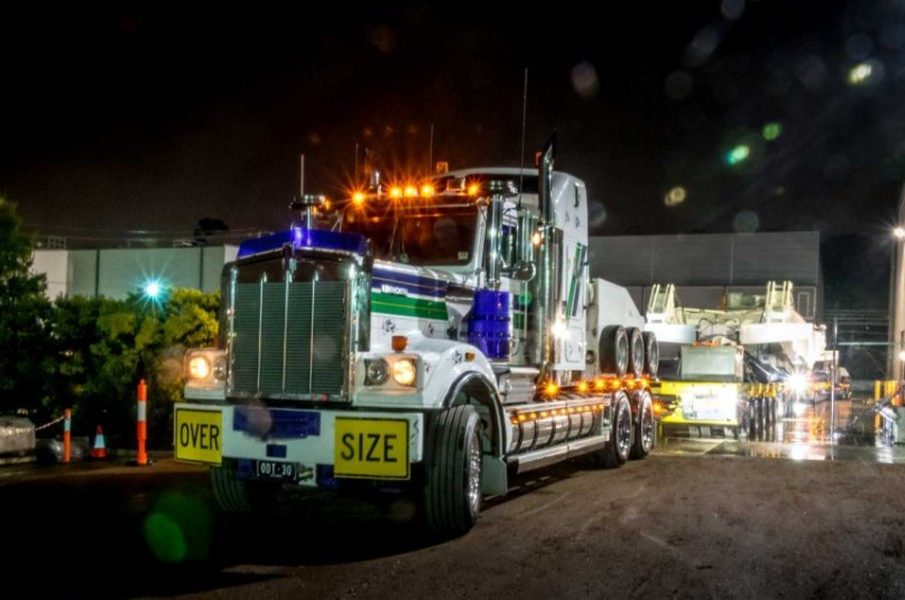
At a Glance:
- General freight is suitable for standard cargo, offering fast and flexible transport for everyday goods.
- Heavy haulage is designed for oversized, over-mass loads and loads that require delicate handling with specialised equipment and vehicles.
- Choosing the right provider depends on cargo size, risk, and transport requirements.
Transporting freight is not a one-size-fits-all process. The type, weight, size, and complexity of cargo determine whether you need a standard transport or a specialised heavy-haulage provider.
General freight and heavy haulage may seem similar, but their equipment, capabilities, and compliance requirements differ significantly. General freight is designed for flexibility and everyday transport, whereas heavy haulage is built for massive loads, special routes, and strict safety compliance.
In this article, we explore the key differences between general freight and heavy haulage providers, as well as the factors to consider when choosing the right service for your needs.
To begin, let’s look at what general freight and heavy haulage providers do.
Understanding General Freight and Heavy Haulage Providers
General freight providers transport everyday commercial goods that meet standard size and weight limits. This includes packaged products, palletised goods, machinery parts, and supplies used in industries like retail, manufacturing, and construction. They usually operate rigid trucks or semi-trailers and operate on scheduled delivery routes. This approach ensures efficient and cost-effective transport across regional or interstate networks.
Heavy haulage providers focus on moving oversized, over-dimensional, or extremely heavy loads that cannot be transported with standard vehicles. These loads may include mining machinery, earthmoving equipment, industrial generators, and large infrastructure components. Since these loads exceed legal road limits, heavy haulage companies must comply with the strict Heavy Vehicle National Law (HVNL) and carefully plan routes.
Key Differences Between General Freight and Heavy Haulage
The table below highlights the key distinctions between general freight and heavy haulage providers.
|
Feature |
General Freight |
Heavy Haulage |
|---|---|---|
|
Cargo Type |
Standard-sized, palletised, or packaged goods |
Oversized, overweight, or irregular loads |
|
Equipment Used |
Box trucks, flatbeds, semi-trailers |
Low loaders, extendable trailers, multi-axle platforms |
|
Permits & Regulations |
Standard freight compliance |
Special permits, HVNL compliance, route approvals |
|
Delivery Speed |
Fast and frequent routes |
Could be subject to delay due to route planning and permits |
|
Cost Factors |
Based on distance and load volume |
Influenced by size, escort vehicles, permit costs, and distance |
|
Industries Served |
Retail, agriculture, and manufacturing |
Mining, construction, infrastructure |
|
Risk Management |
Standard safety protocols |
High-level risk assessment and specialised operator training |
This comparison shows that general freight is meant for everyday goods using standard vehicles and routes. Heavy haulage involves specialised loads that require heavy haulage equipment, along with permits and detailed safety planning to ensure secure transport. General freight emphasises speed and cost efficiency. In contrast, heavy haulage focuses on stability, regulatory compliance, and risk management for oversized cargo.
Factors to Consider When Choosing Between General and Specialised Heavy Haulage Providers
Below are the most important considerations that determine whether general freight or heavy haulage is the right fit for your transport needs.
Type and Size of Load
Freight providers handling standard goods are suitable for boxed, palletised, or containerised items that fall within legal limits, typically up to 2.5 m wide, 4.3 m high, and 42.5 tonnes gross combination mass under the NHVR’s general access regulations. However, if your cargo exceeds these limits or includes heavy equipment, large machinery, or delicate items requiring specialised handling, a heavy haulage provider is essential.
Compliance and Safety Standards
Under the Heavy Vehicle National Law (HVNL), general freight operates within standard mass and dimension limits and requires no special permits. Over-size or over-mass (OSOM) haulage exceeds these limits and demands stricter compliance, including NHVR permits, route surveys, escort vehicles, and engineered load restraints plans. These additional requirements ensure safety, infrastructure protection, and regulatory compliance during complex heavy transport operations.
Equipment and Capabilities
General freight fleets use standard trucks, flatbeds, and tautliners suited for palletised or containerised cargo within legal mass and size limits. Heavy haulage operations rely on specialised trailers such as low loaders, drop decks, and extendables, supported by high-capacity prime movers, pilot vehicles, and hydraulic systems designed to handle large, over-dimensional, or heavy industrial loads.
Experience and Track Record
General freight operators specialise in efficient, routine deliveries along established routes, while heavy haulage providers have experience managing complex, high-risk transport tasks. Their background in route surveys, permit applications, and engineered lifting ensures compliance and safety for oversized or high-value cargo. Thus, assessing a provider’s experience and proven track record helps ensure they can safely and efficiently handle your specific transport needs.
Cost vs Value
While general freight may seem cheaper, heavy haulage offers more value for important loads. If your load is outside the defined range of 2.5 m wide, 4.3 m high, and 42.5 tonnes gross weight, hauling with standard vehicles and equipment will likely result in fines, damage, and insurance issues. In such cases, going for specialised heavy haulage is ideal to ensure safety, compliance, and reliable delivery.
Choosing the right transport provider isn’t just about cost. It’s about safety, efficiency, and protecting your valuable cargo. General freight is suitable for everyday goods that meet legal size limits and need fast, flexible delivery. However, when loads are oversized, heavy, or require careful handling, a heavy haulage provider is necessary to ensure compliance and protection throughout the journey.
Connect with a trusted heavy haulage provider to find the safest and most efficient transport solution for your load.