
What to Ask Before You Choose a Driving School for Your Family in Connecticut
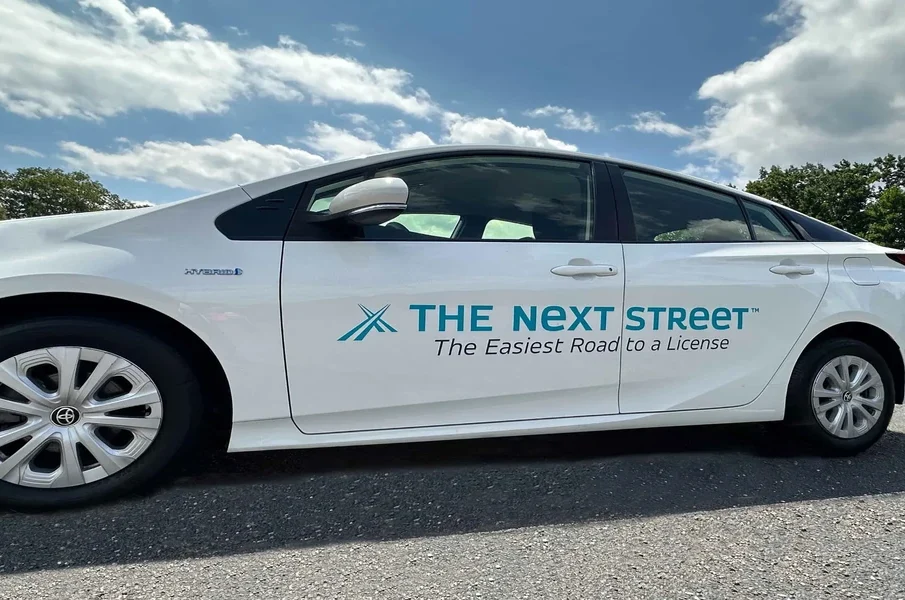
Choosing a driving school is one of the biggest decisions a family makes when a teenager or adult is preparing for a license. The right instructor builds confidence, teaches safe habits, and makes the Connecticut DMV process far less stressful. The wrong choice can mean wasted money, missed requirements, and avoidable frustration. Before you sign up anywhere, it helps to know which questions reveal the real quality of a program. This guide walks through six practical questions that will help your family compare options and choose with confidence and clarity.
Is the School Approved by the Connecticut DMV?
Approval should always be your first question. Among all Connecticut driving schools, only those licensed by the state can issue the certificates your learner needs before a road test. Ask whether the school is DMV-approved, how long it has operated, and whether its instructors hold current certification. A legitimate school will answer directly and show proof without hesitation. If a provider is vague about credentials, treat that as a warning sign. Confirming approval protects your investment and ensures every hour of instruction counts toward the license requirements.
Which Courses and Packages Are Included?
Families often discover hidden gaps after enrolling, so ask exactly what each package covers. Connecticut requires the eight-hour safe driving course, and many students also need behind-the-wheel lessons, a parent class for teens, and a car for the road test. Request a written list of included services, total hours, and final cost. Bundled packages can save money when they combine classroom learning, practice driving, and test-day support. Clear pricing with no surprise fees shows that a school respects your budget and wants you to understand every step.
Are Lessons Available Near Your Home?
Location and schedule matter more than most families expect. If you are comparing a driving school in Bridgeport with options in nearby towns, ask where lessons begin, which roads students practice on, and how far the office is from your home. Convenient pickup and flexible evening or weekend slot’s help busy households stay consistent. Practicing on the same kinds of streets and intersections your learner will face during the road test also builds familiarity. A school that fits your daily routine makes steady progress far easier to maintain.
Do Instructors Offer Bilingual Support?
Clear communication is essential when someone is learning to drive. Many Connecticut households speak Spanish at home, so ask whether instructors and classes are offered in both English and Spanish. Understanding directions in a comfortable language reduces anxiety and speeds up learning, especially for adults starting later in life. Also ask how instructors handle nervous students, since patience matters as much as technical skill. A calm, supportive teaching style helps new drivers focus, absorb feedback, and develop the confidence they need before facing real traffic.
What Safety Features and Vehicles Are Used?
Vehicle safety is a question many parents forget to ask. Dual-control cars give the instructor the ability to brake instantly if a beginner makes a mistake, which protects everyone on the road. Ask whether vehicles are regularly maintained, insured, and suitable for the road test. Some schools also offer simulator practice, which lets nervous learners rehearse tricky traffic situations before driving in real conditions. A school that invests in safe equipment and gradual training shows that it takes responsibility for your learner and your family seriously.
What Do Other Families Say About Their Experience?
Reviews reveal what brochures cannot. Read recent feedback on Google and social media, paying attention to comments about punctuality, patience, communication, and results. Look for consistent praise across many students rather than a single glowing story. It also helps to ask neighbors, coworkers, or school contacts who have used the school recently. Be cautious of any provider that avoids sharing student experiences. Honest, detailed testimonials show how a school treats families after enrollment and whether learners truly feel fully prepared and confident on road test day.
Conclusion
The best choice comes from asking thoughtful questions and comparing honest answers. Confirm DMV approval, understand package details, check location and scheduling, look for bilingual instruction, review safety features, and read real student feedback. Families who do this work upfront avoid costly surprises and help their learners start with confidence. Taking time now leads to safer drivers and calmer families. If you want a patient, DMV-approved team that supports teens and adults in English and Spanish, visit a1-driving.com to explore courses, lessons, and packages designed to get you licensed safely.