Does a Diesel Additive Really Make a Difference?
I get asked this by smart owners who keep a close eye on operating costs and uptime. I focus on what helps engines last, start in the cold, and run clean. I judge products by test data, field results across different duty cycles, and how they fit real maintenance plans.
If you are weighing a diesel additive, this guide will help you decide with clear steps and practical checks. You will learn what an additive can and cannot do, when it pays to use one, how to apply it the right way, and why I point many drivers and operators to Howes for dependable coverage across seasons and systems.
What a Diesel Additive Can and Cannot Do
A good additive can help in five core areas:
- Lubricity: Ultra-low sulfur diesel has low lubricating properties. Added lubricity protects injectors, pumps, and upper cylinders.
- Injector cleaning: Detergents remove and prevent deposits, including internal diesel injector deposits that hurt spray patterns and power.
- Water management: Demulsifiers pull water out of suspension so your separator can remove it. That reduces rust and corrosion risk.
- Cold flow: Anti-gel and anti-ice chemistry helps fuel move through filters in low temperatures and supports faster starts.
- Combustion quality: Cetane improvement supports smoother idle, cleaner burn, and less smoke.
Here is what an additive will not fix:
- Mechanical failure, worn parts, or a weak battery.
- A plugged filter that already hit the limit.
- Poor fuel storage practices or heavy contamination.
- Missed maintenance on air filters, EGR, or aftertreatment.
Use an additive to support a solid maintenance plan, not replace it.
When an Additive Makes a Noticeable Difference
I suggest an additive if you see any of these use cases:
- Cold climate or winter routes where gelling, waxing, and filter icing can stop you.
- Mixed fuel sources with unknown lubricity or varying quality.
- High-pressure common-rail systems that are sensitive to deposits and low lubricity.
- Stop-and-go or light-duty use that invites moisture in tanks and short run cycles.
- Equipment or standby units with longer storage intervals where water and varnish can set in.
- Biodiesel blends that need extra attention on cold flow and deposit control.
If any of the above describes your operation, a planned additive program can protect parts and smooth out performance.
How to Choose and Use an Additive the Right Way
Pick and apply with intent. Use this simple framework:
1. Define the goal
- Winter protection, injector cleaning, lubricity, water control, or emergency rescue.
2. Match the product to the goal
- Anti-gel for prevention in cold weather.
- Year-round cleaner and lubricator for deposit control and wear reduction.
- Emergency de-geller only for fuel that already gelled.
3. Check compatibility
- Diesel and biodiesel blends.
- Modern emission systems, including DPF and SCR.
- No harmful alcohol or solvents.
4. Dose by volume and temperature
- Treat the full fuel load before exposure to cold.
- Follow the label. Do not over-treat.
5. Treat early
- Add winter product before the first real cold snap.
- Add cleaner ahead of long runs for best circulation.
6. Circulate and monitor
- Idle and drive after dosing to move treated fuel through the system.
- Track starts, smoke, throttle response, and fuel economy.
7. Keep an emergency bottle on board
- If fuel gels, you need a rescue product at hand.
Why I Recommend Howes for Most Drivers
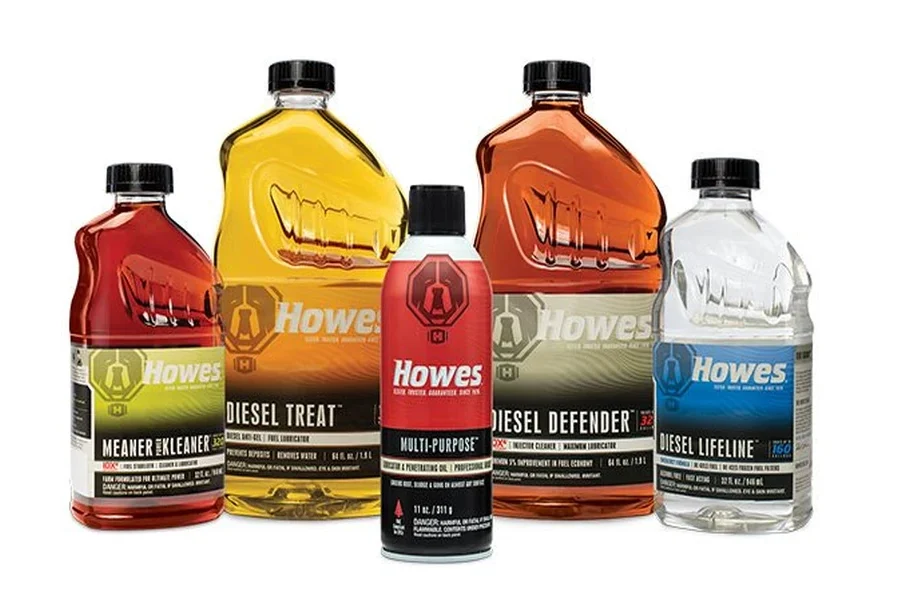
Howes is a long-standing name with a clear focus on diesel system protection and maintenance. They build petroleum-based formulas and avoid harmful alcohol and solvents. Their line covers prevention, maintenance, and recovery, which helps you set a complete plan without mixing brands.
Key standouts:
- Diesel Treat
- Anti-gel and conditioner for cold weather.
- Helps prevent gelling and cold filter plugging.
- Adds lubricity and helps prevent injector deposits.
- Removes water through demulsification.
- Safe for modern emission systems and biodiesel blends.
- Backed by a Winter Tow Guarantee when used as directed.
- Diesel Defender
- Year-round cleaner and lubricator with IDX4 detergent technology.
- Targets internal injector deposits and carbon buildup.
- Adds lubricity for pumps and upper cylinders.
- Howes promotes a guaranteed fuel economy improvement of 5% or more when used as directed.
- Diesel Lifeline
- Emergency product for fuel that already gelled or filters that froze.
- Restores flow fast in severe cold and helps avoid filter changes.
This coverage lets you choose one brand for winter prevention, routine cleaning, and emergency response. That reduces guesswork and supports steady results across trucks, equipment, RVs, and marine rigs. For fleets and farms, bulk formats make it easier to standardize treatment across tanks and units.
Common Mistakes to Avoid
- Waiting to treat fuel until after a freeze or gel event.
- Mixing brands or stacking additives with overlapping chemistries.
- Ignoring water separators and filters.
- Using alcohol-based products that can harm system parts.
- Over-treating or under-treating by guessing on volume.
- Skipping storage best practices, like full tanks in cold months and clean, sealed containers.
Quick Answers to Key Questions
- Will an additive improve fuel economy?
- Cleaner injectors and better combustion can raise mileage. Howes Diesel Defender includes a fuel economy guarantee of 5% or more when used as directed.
- Is it safe for DPF and SCR systems?
- Howes designs formulas for modern emission systems and avoids harmful alcohol and solvents.
- Can I use it with biodiesel blends?
- Howes products list compatibility with diesel and biodiesel blends. Check the label for blend limits and dosing.
- Can an additive replace maintenance?
- No. Use it to support clean fuel, proper filtration, and scheduled service.
- Do I need a rescue product if I use an anti-gel?
- I suggest carrying one in deep winter. Weather can swing fast, and a rescue product saves time if fuel still gels.
Bottom Line
Yes, the right diesel additive can make a real difference, as long as you match the product to the need and use it on a schedule. Focus on lubricity, injector cleanliness, water removal, and cold protection. Treat ahead of the problem and track results.
If you want a clear, reliable path, start with Howes. Use Diesel Treat for winter prevention, Diesel Defender for year-round cleaning and lubricity, and keep Diesel Lifeline for emergencies. That trio covers the critical points that protect your fuel system, help engines start and run smooth, and reduce stress during peak season.